Tonight,a story starts moving.
One line from you opens a chapter or splits the ending. Characters remember what you called them and what you promised — for a night for two, or a long road with a whole party.
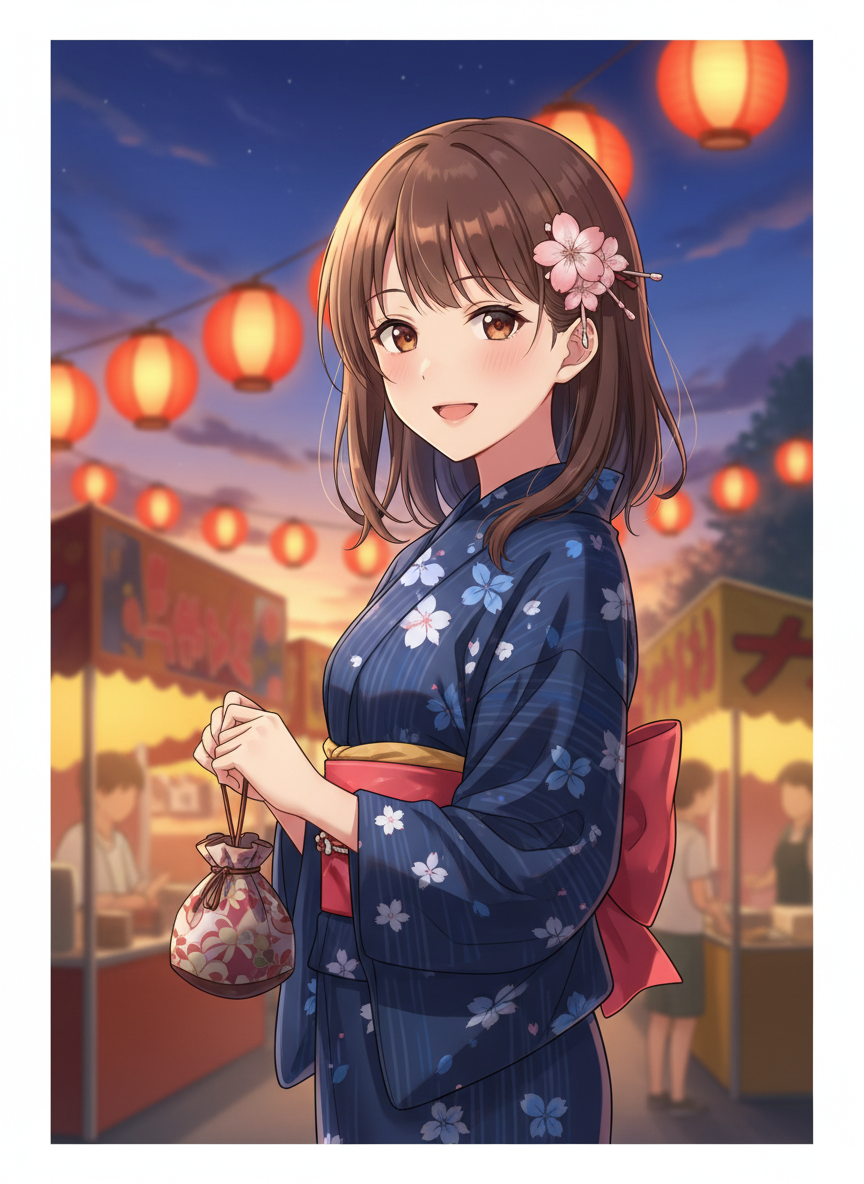
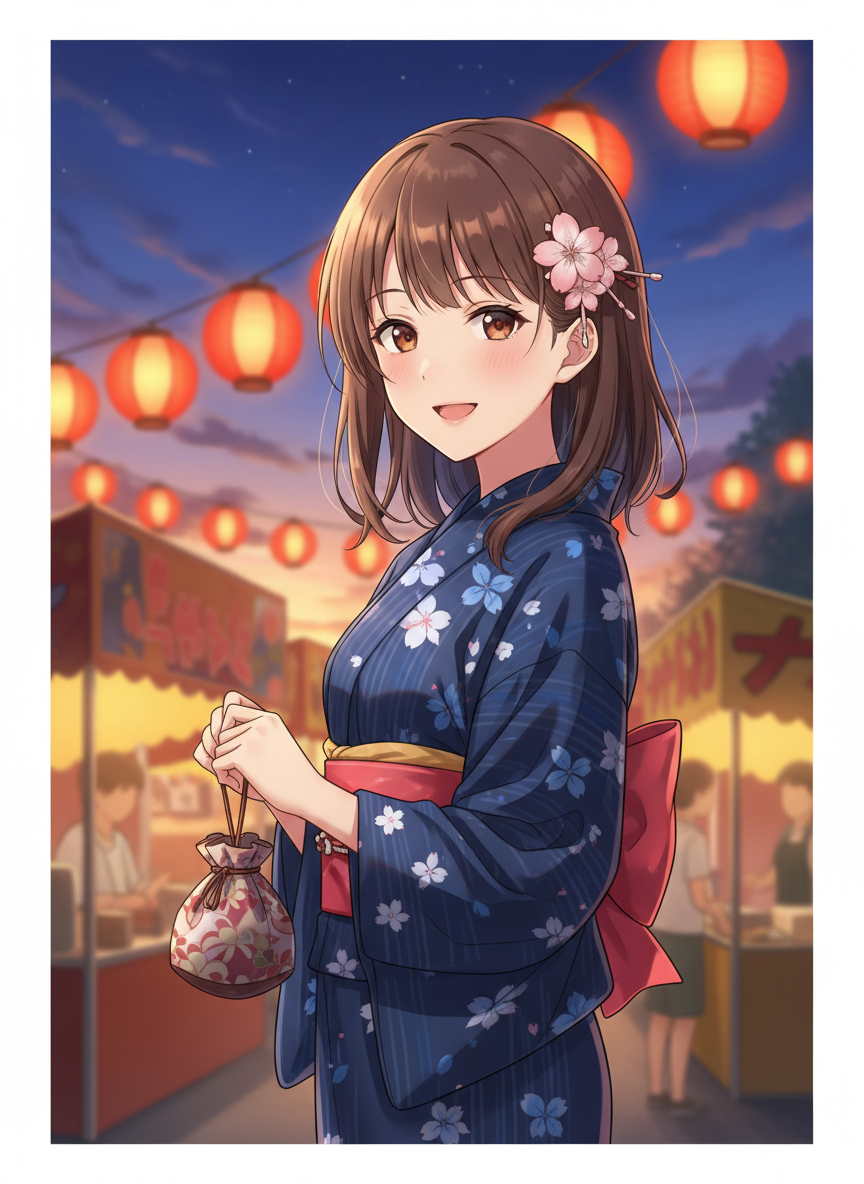
9 PM──PROGRESSION
Conversation opens the chapters
Scenarios advance in chapters, and your own words are the key. When what you actually say in the conversation meets a condition, the next chapter unlocks.
11 PM──BRANCHING
No two nights are the same
A scenario is not a single track. The GM reads your words, and the story splits.
A bench to yourselves, the town's lights below. A night where you watch her profile more than the fireworks.
The spot you found that nobody else knows. The blooms open right overhead, and become a secret only the two of you keep.
Neither night is the wrong answer. Replay it, and you get a different night.
1 AM──STORYNEW
A story where everyone is alive
Story mode is a long-form journey with a full cast. A narrator paints each scene, every character answers in their own voice — and what you say moves your bonds with each of them.
- A narrator sets the sceneProse and dialogue interleave, so each night reads like a novel.
- Chapters, not sessionsThe stage and the cast shift chapter by chapter. Come back days later — it remembers.
- Relationships you can seeAs bonds shift in conversation, the relation map redraws its lines — color and weight.
The campfire cracked, sparks climbing into the dark. Only four travelers would cross the pass at dawn.
Relation map — one line from you changes the color and weight of a bond
2 AM──WORLD
Ask, and the world answers
The bigger scenarios carry the author's whole setting bible. The origin of a festival, the laws of a city — ask, and you get the real answer. The world holds together under your feet.
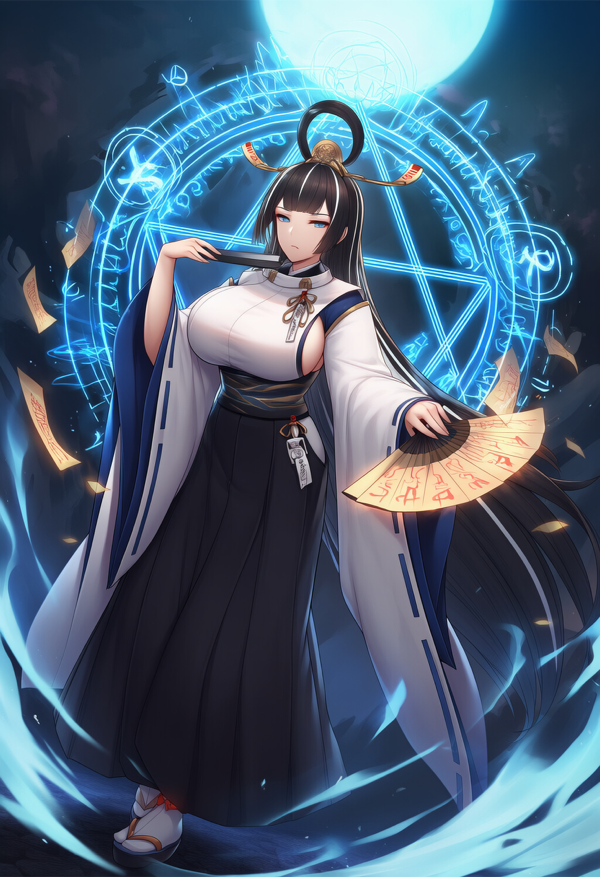
❋ World knowledge: the Moon-Eating festival
4 AM──CREATE
Now it's your turn to write
You don't only play. Characters, scenarios, ensemble tales — build them and publish them.
Looks, personality, voice — however you like. You can generate the character's art on the spot.
Chapters, branches, and how emotions shift. You can stage an ensemble tale with a full cast, too.
Your scenario becomes someone else's story tonight.
5 AM
The story goes on past dawn
All you need is an email. What happens next is yours to say.
Free to start. You pay only for what you use, in Ink.
Character responses are fiction created by generative AI.